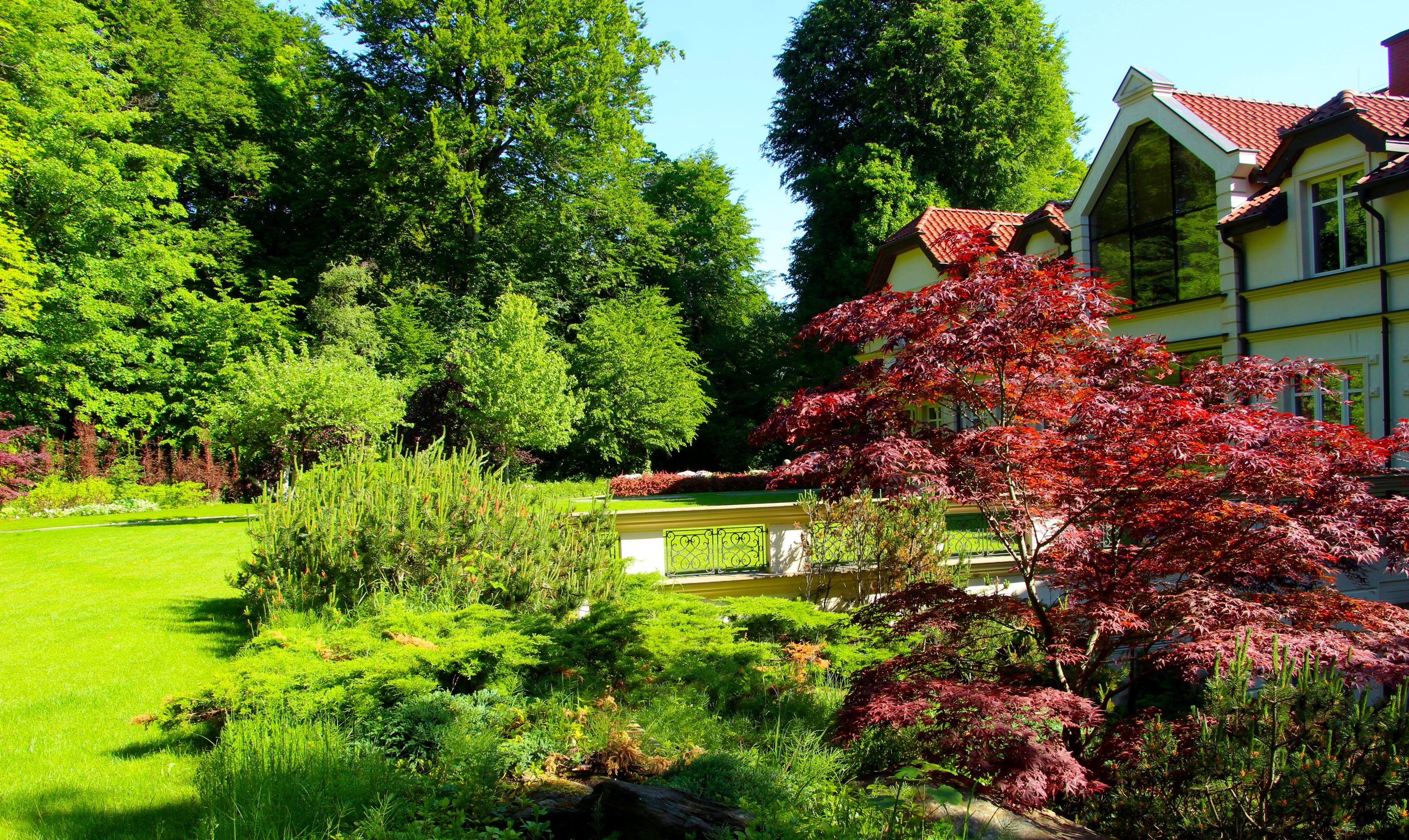
Sustainable Landscaping: A Growing Need in Pittsburgh
As the world increasingly embraces eco-friendly practices, sustainable landscaping has become a priority for many homeowners and businesses in Pittsburgh. With a focus on reducing environmental impact while enhancing the natural beauty of properties, sustainable landscaping is both a trend and a necessity in 2026.
1. Choose Native Plants
One of the most effective strategies for sustainable landscaping is selecting native plants. These plants are naturally adapted to the local climate and soil conditions, making them less resource-intensive. Native plants require less water, fertilizer, and maintenance, which makes them ideal for Pittsburgh’s varying weather patterns.
Benefits of Native Plants
- Reduced water usage
- Lower maintenance
- Enhanced biodiversity
Consider incorporating plants like the Eastern Redbud or Blue Flag Iris, which thrive in Pittsburgh’s environment.
2. Implement Rainwater Harvesting Systems
Water conservation is a critical component of sustainable landscaping. By installing rainwater harvesting systems, you can collect and reuse rainwater for irrigation purposes. This not only reduces your water bill but also decreases dependence on municipal water supplies.
How to Get Started
Install rain barrels at gutter downspouts or consider a more integrated system that connects to your irrigation. This is particularly beneficial in Pittsburgh where rainfall is plentiful but sometimes unpredictable.
3. Create a Pollinator-Friendly Garden
Supporting local ecosystems can be as simple as creating a pollinator-friendly garden. By planting flowers that attract bees, butterflies, and other pollinators, you contribute to biodiversity and help sustain the local environment.
Pollinator-Friendly Plants
- Milkweed
- Black-Eyed Susans
- Bee Balm
These plants not only support pollinators but also add vibrant colors to your landscape.
4. Opt for Permeable Paving
Permeable paving solutions allow water to seep through surfaces, reducing runoff and promoting groundwater recharge. This is particularly advantageous in Pittsburgh areas prone to flooding.
Types of Permeable Paving
- Permeable concrete
- Gravel
- Porous asphalt
Permeable surfaces can be used for driveways, patios, and walkways, enhancing both functionality and sustainability.
5. Utilize Organic Mulch
Organic mulch is an excellent way to improve soil health while conserving moisture. It helps regulate soil temperature, suppress weeds, and gradually adds nutrients to the soil as it decomposes.
Benefits of Organic Mulch
- Improves soil fertility
- Reduces water evaporation
- Minimizes weed growth
Use locally sourced materials such as wood chips or shredded leaves for the best results.
6. Incorporate Edible Landscaping
Edible landscaping combines aesthetics with practicality by integrating food-producing plants into your landscape design. This approach not only enhances the visual appeal but also provides fresh produce right from your backyard.
Popular Edible Plants
- Blueberry bushes
- Herb gardens
- Fruit trees like apple or pear
Edible plants can be strategically placed to complement ornamental plants, creating a beautiful and functional garden.
7. Implement Smart Irrigation Systems
Smart irrigation systems utilize technology to optimize watering schedules based on weather conditions, soil moisture, and plant needs. This reduces water waste and ensures your plants receive adequate hydration.
Advantages of Smart Irrigation
- Water efficiency
- Cost savings
- Convenience
Consider systems that integrate with your smartphone for easy monitoring and adjustments.
Conclusion: Embrace Sustainability for a Greener Pittsburgh
By adopting these strategies, homeowners and businesses in Pittsburgh can create sustainable landscapes that are both beautiful and eco-friendly. Whether you are starting fresh or enhancing an existing garden, these approaches will help you contribute to a greener, more sustainable future. For more personalized advice and services, consider reaching out to MB Landscaping and Gardening, your local experts in sustainable landscaping.