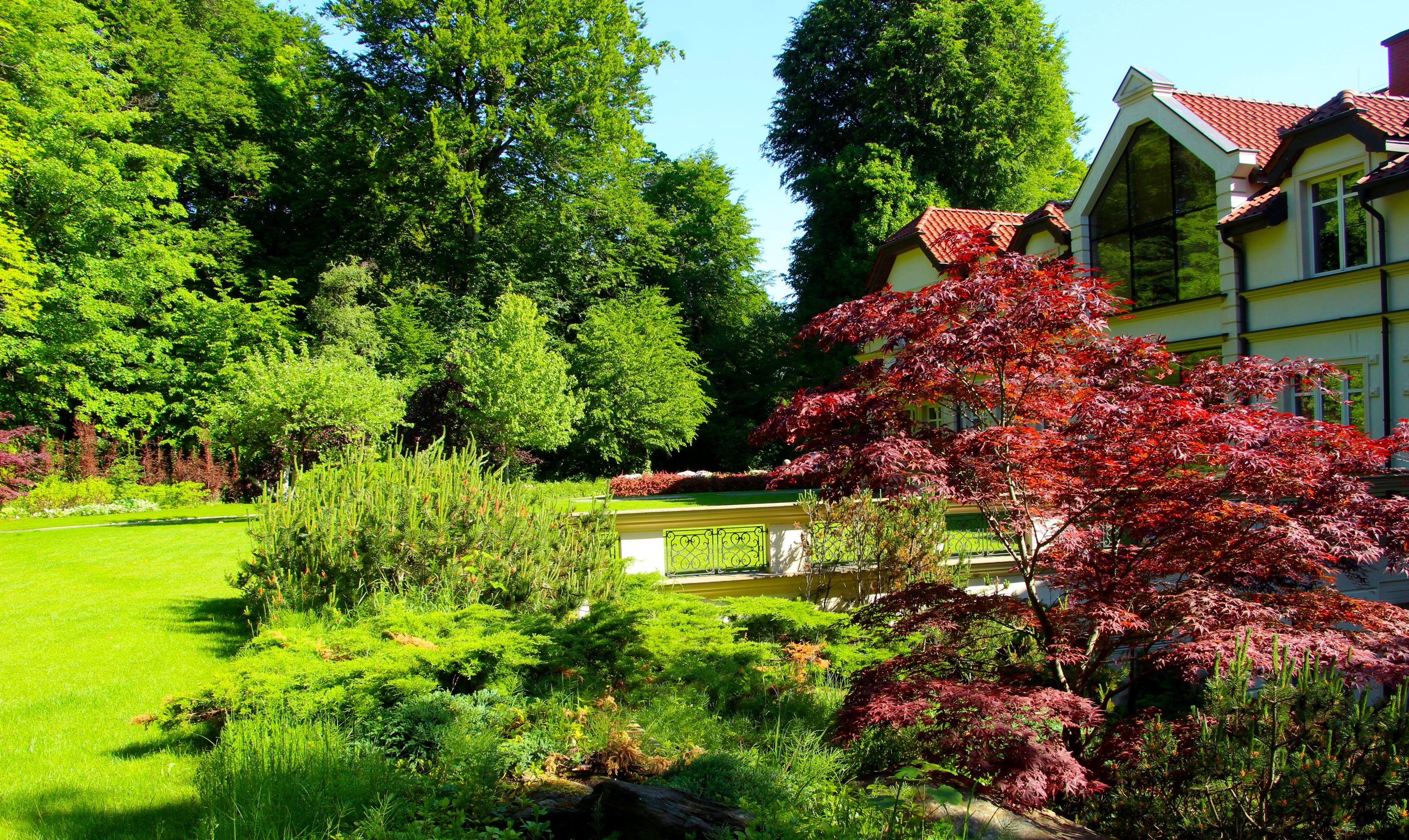
Understanding Pittsburgh's Unique Landscaping Challenges
Pittsburgh's distinct climate and topography present unique challenges for landscaping enthusiasts and homeowners. From fluctuating temperatures to hilly terrains, these factors can complicate efforts to maintain a lush and attractive garden. As a homeowner in Pittsburgh, knowing how to troubleshoot common landscaping issues is crucial to achieving a beautiful and sustainable outdoor space.
Common Landscaping Problems and Solutions
1. Dealing with Poor Soil Quality
Many Pittsburgh gardens suffer from clay-heavy soil, which can impede root growth and water drainage. To improve soil quality:
- Aerate the soil: Use a core aerator to alleviate compaction and allow air and nutrients to reach plant roots.
- Add organic matter: Incorporate compost or well-rotted manure into the soil to enhance its structure and fertility.
- Test and amend: Conduct a soil test and adjust pH levels by adding lime or sulfur as needed.
2. Tackling Water Drainage Issues
Pittsburgh's hilly landscape can lead to water pooling and erosion. To manage drainage effectively:
- Create a rain garden: Design a rain garden with native plants to capture and filter runoff.
- Install French drains: Use French drains to redirect excess water away from sensitive areas.
- Consider terracing: For sloped gardens, terracing can slow water flow and reduce erosion.
3. Combating Pests and Diseases
Insects and diseases are common issues that can damage plants. To protect your garden:
- Choose resistant varieties: Plant disease-resistant species and cultivars suited for the Pittsburgh climate.
- Encourage beneficial insects: Attract natural predators like ladybugs and lacewings by planting a variety of flowers.
- Regular inspection: Monitor plants regularly for signs of pests or disease, and act quickly if issues arise.
4. Managing Invasive Plant Species
Invasive species can overtake gardens and natural areas. Common culprits in Pittsburgh include Japanese knotweed and garlic mustard. Effective management strategies include:
- Manual removal: Regularly uproot invasive plants before they flower and set seed.
- Mulching: Apply thick mulch layers to suppress weeds and inhibit seed germination.
- Plant native species: Replace invasive plants with native alternatives that support local biodiversity.
5. Coping with Seasonal Weather Extremes
Pittsburgh experiences harsh winters and humid summers, which can stress plants. To mitigate weather impacts:
- Seasonal protection: Use burlap wraps or frost cloths to shield sensitive plants during winter.
- Mulch for moisture: Apply mulch to retain soil moisture during dry summer months.
- Smart plant selection: Choose hardy plants that can withstand temperature fluctuations.
Professional Help: When to Call MB Landscaping and Gardening
While many landscaping issues can be managed with DIY solutions, there are times when professional assistance is invaluable. MB Landscaping and Gardening offers expert services tailored to Pittsburgh's unique environment. From comprehensive soil assessments to custom drainage solutions, their team can address complex problems with precision and care.
Benefits of Professional Landscaping Services
- Expertise: Gain insights from years of experience dealing with local challenges.
- Time-saving: Let professionals handle labor-intensive tasks efficiently.
- Long-term results: Ensure sustainable and aesthetically pleasing outcomes for your garden.
Conclusion
Successfully managing a Pittsburgh garden requires understanding and addressing common landscaping obstacles. With the right knowledge and assistance from experts like MB Landscaping and Gardening, your garden can thrive despite the region's challenges. Whether you're a seasoned gardener or a new homeowner, these troubleshooting tips will help you create a vibrant and resilient outdoor space.