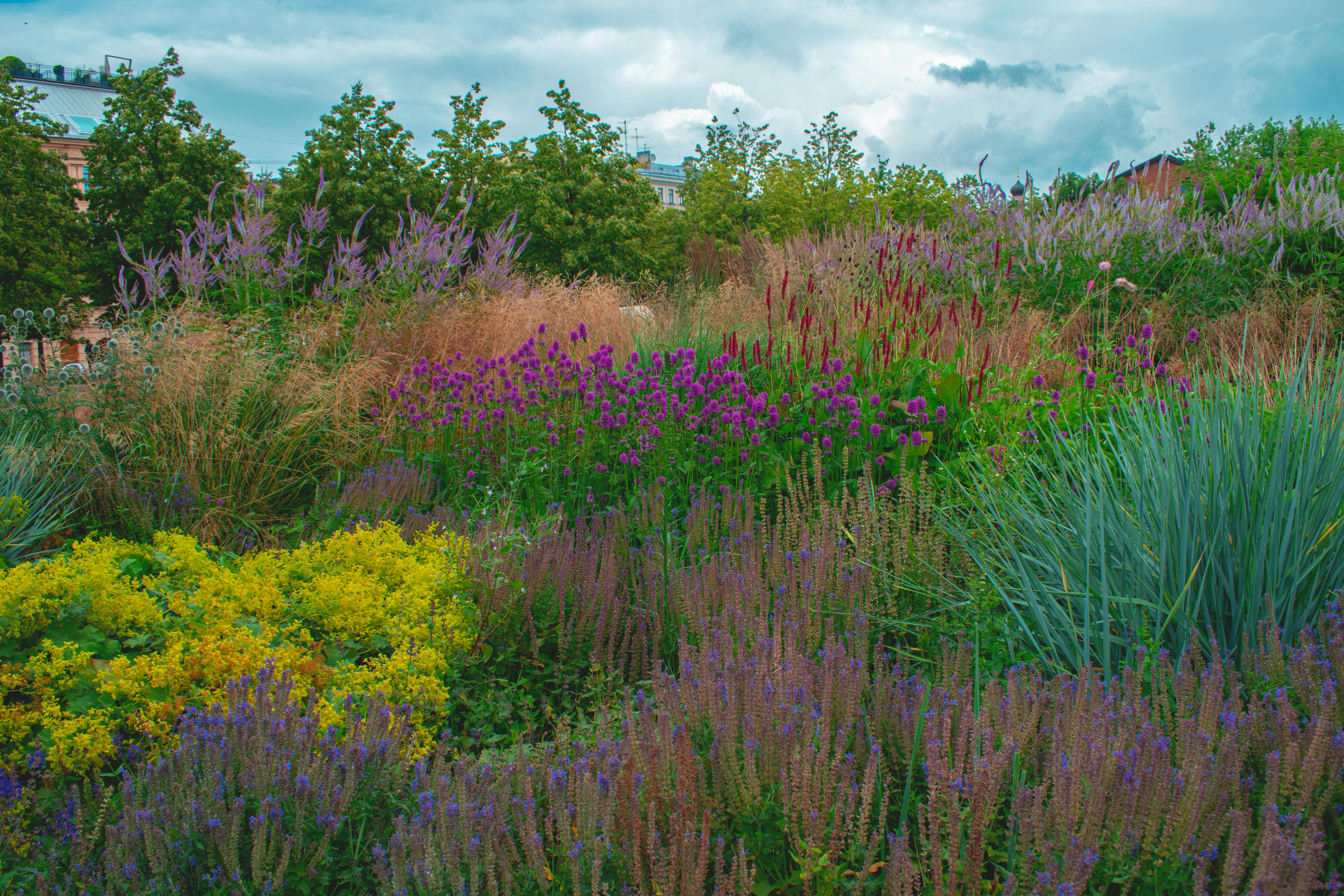
Introduction to Home Landscaping in Pittsburgh
Welcome to the world of home landscaping! Whether you're a new homeowner or simply looking to refresh your Pittsburgh property, this beginner's guide will provide you with easy steps to transform your outdoor space into a beautiful and functional area. With the unique climate and terrain of Pittsburgh, it's essential to consider local factors when planning your landscape. Let's dive into how you can create a stunning garden that thrives in this region.
Understanding Pittsburgh's Climate and Soil
Pittsburgh's climate is characterized by its four distinct seasons, which play a significant role in how you approach landscaping. The city experiences cold winters and hot, humid summers, making it crucial to select plants and materials that can withstand these conditions. Additionally, the soil in Pittsburgh tends to be clay-heavy, which can affect drainage and plant health. Understanding these elements will help you make informed decisions about your landscape design.
Choosing the Right Plants
Start by selecting plants that are well-suited to Pittsburgh's climate. Native plants are an excellent choice as they are adapted to local conditions and require less maintenance. Consider varieties such as:
- Eastern Redbud: A small, ornamental tree that blooms in early spring.
- Black-eyed Susan: A vibrant perennial that adds color and attracts pollinators.
- Pennsylvania Sedge: A grass-like plant perfect for ground cover in shaded areas.
Planning Your Landscape Design
Before you start digging, it's important to plan the layout of your landscape. Here are some beginner-friendly steps to help you create a balanced and harmonious garden:
Assess Your Space
Take stock of the size and shape of your yard. Note any existing features like trees, slopes, or structures that you'll need to work around. This assessment will guide your design process and help you make the most of your available space.
Create a Focal Point
Every great landscape has a focal point that draws the eye. This could be a striking tree, a water feature, or a sculpture. Choose something that reflects your personal style and complements the overall theme of your garden.
Consider Functionality
Think about how you want to use your outdoor space. Do you need a play area for kids, a patio for entertaining, or a vegetable garden? Define these areas in your plan to ensure your landscape meets your needs.
Executing Your Landscape Plan
Start with the Basics
Once your plan is in place, begin by preparing the soil. Amend clay-heavy soil with organic matter like compost to improve drainage and fertility. Proper soil preparation is key to healthy plant growth.
Planting and Installation
When planting, follow the rule of "right plant, right place." Ensure each plant is placed in an area that meets its sunlight and space requirements. Group plants with similar water needs together to simplify maintenance.
Maintaining Your Pittsburgh Landscape
Watering Wisely
Watering is crucial, especially during the hot summer months. Install a drip irrigation system or soaker hoses to conserve water and ensure deep, even watering of your plants.
Regular Maintenance
Regularly check for weeds, pests, and diseases. Mulching can help suppress weeds and retain soil moisture. Prune plants as needed to maintain their shape and encourage healthy growth.
Conclusion: Enjoying Your New Landscape
With these beginner-friendly tips, you're well on your way to creating a beautiful and sustainable landscape in your Pittsburgh home. Remember, patience and consistency are key. As you watch your garden flourish, you'll enjoy the rewards of your hard work and the enhanced beauty and value of your property. Happy gardening!