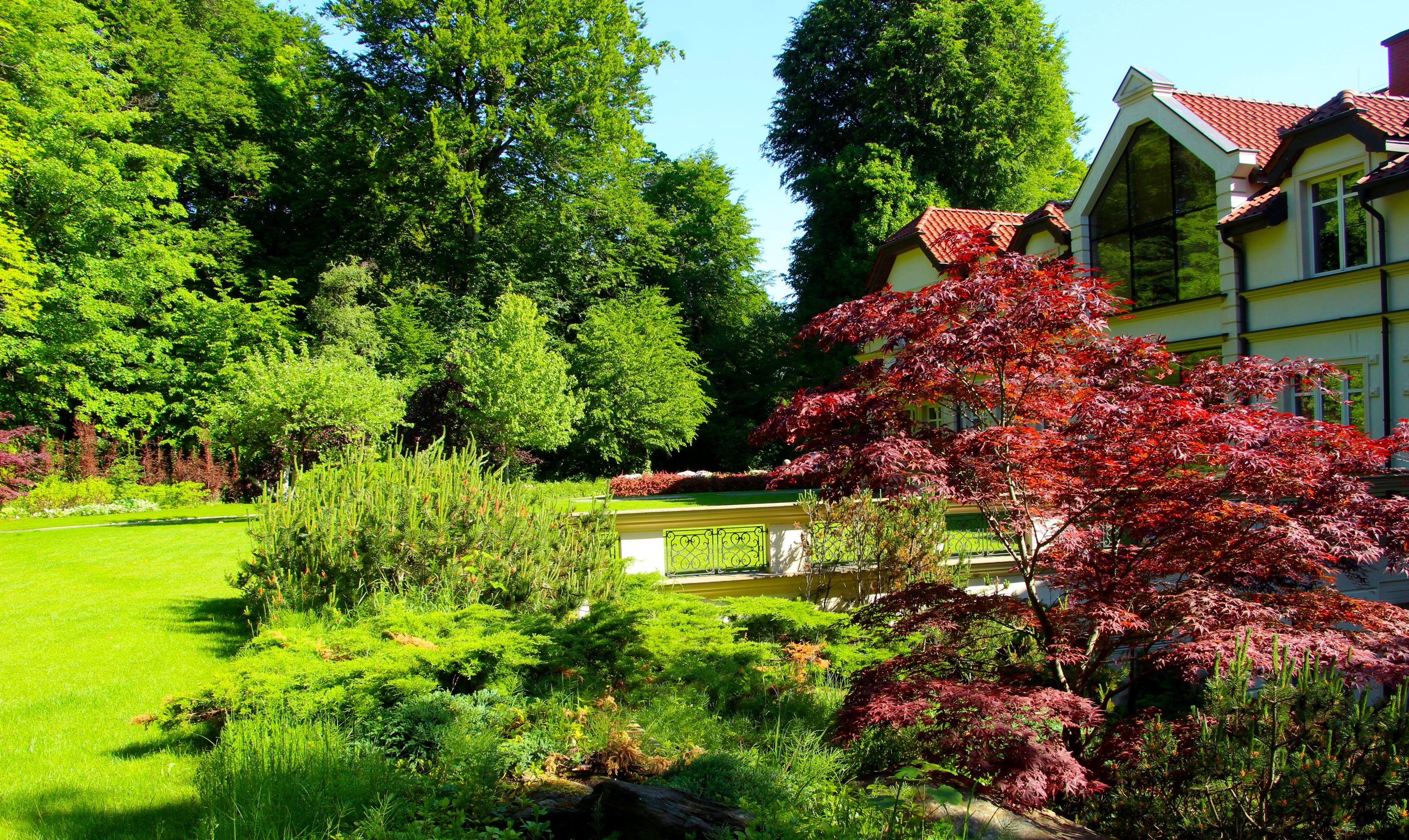
Understanding Pittsburgh's Climate for Landscaping
Pittsburgh, Pennsylvania, with its unique blend of urban and natural environments, presents distinct challenges and opportunities for landscaping. With its humid continental climate, residents experience all four seasons, each influencing landscaping decisions significantly. As we dive into 2026, understanding these seasonal changes is crucial for maintaining beautiful and sustainable landscapes.
Spring: Reviving Your Landscape
Spring Cleaning and Preparation
Spring in Pittsburgh is synonymous with renewal. As temperatures climb, it's essential to prepare your garden for the growing season. Start with a thorough cleanup—remove debris, dead plants, and any winter mulch that may harbor pests.
Soil Testing and Amendment
Testing your soil's pH and nutrient levels is a critical step in spring. This ensures your plants have the nutrients they need to thrive. Amend your soil based on test results, focusing on organic matter and necessary fertilizers.
Planting and Pruning
Early spring is the perfect time to plant perennials and prune shrubs. Choose native plants that are well-suited to Pittsburgh's climate for a robust, low-maintenance garden.
Summer: Maintaining Vibrancy and Growth
Irrigation and Water Management
Summer heat can be intense, making efficient irrigation crucial. Consider installing drip irrigation systems to conserve water while ensuring your plants remain hydrated. Water early in the morning or late in the evening to minimize evaporation.
Pest and Weed Control
Warm weather brings pests and weeds. Regular monitoring and using eco-friendly pest control methods can protect your garden. Mulching not only suppresses weeds but also retains soil moisture.
Enhancing Summer Bloom
To keep your landscape colorful, plant summer-blooming annuals and perennials. Consider species like Black-eyed Susans and Coneflowers, which thrive in Pittsburgh's summer climate.
Fall: Preparing for a Restful Winter
Fall Planting for Spring Blooms
Fall is ideal for planting bulbs such as tulips and daffodils, ensuring a vibrant display come spring. The cooler temperatures and increased rainfall support root development.
Leaf Management and Composting
As leaves fall, they can be used to create nutrient-rich compost. Alternatively, use them as mulch to protect plant roots and improve soil health over winter.
Seasonal Pruning and Protection
Prune trees and shrubs to remove dead or diseased branches, minimizing winter storm damage. Wrap sensitive plants in burlap to protect them from frost.
Winter: Ensuring Landscape Longevity
Winterizing Tools and Equipment
Before the cold sets in, clean and store gardening tools to prevent rust and damage. Proper maintenance extends their lifespan and ensures you're ready when spring arrives.
Protecting Plants from Frost
In Pittsburgh, frost can be severe. Use frost cloths or blankets to cover vulnerable plants. Consider installing windbreaks to shield your garden from harsh winter winds.
Planning for the Coming Year
Winter provides the perfect opportunity to reflect and plan your garden's future. Assess what worked in the past year and plan changes or new additions for the upcoming seasons.
Conclusion: Seasonal Landscaping Success
By understanding and adapting to Pittsburgh's seasonal changes, homeowners can create landscapes that are both beautiful and sustainable throughout the year. As we move through 2026, these seasonal strategies will ensure your garden remains a vibrant and thriving part of your home.
For those seeking expert assistance, MB Landscaping and Gardening Services is here to help you navigate the seasonal challenges with tailored solutions. Contact us today to ensure your landscape is ready for every season Pittsburgh has to offer.