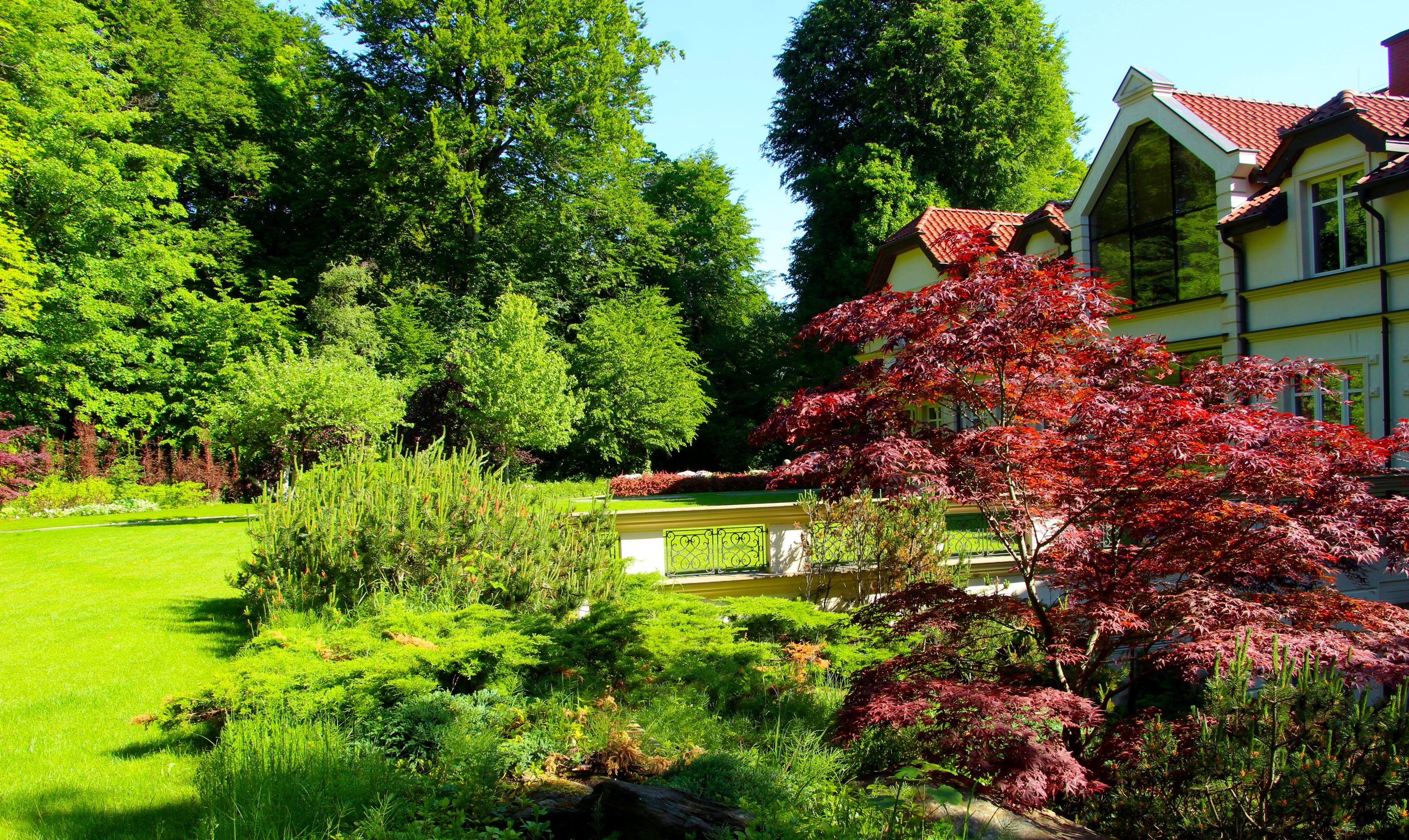
Introduction to Eco-Friendly Landscaping Options
As sustainability becomes a priority for many Pittsburgh residents, eco-friendly landscaping options are gaining traction. Whether you're a homeowner looking to reduce your ecological footprint or a business aiming to enhance your green image, understanding the different approaches to sustainable landscaping can help you make informed decisions. In this guide, we'll compare various eco-friendly landscaping options to help you create a beautiful and sustainable outdoor space.
Native Plant Landscaping
One of the most effective ways to promote sustainability in your garden is by using native plants. Native plants are species that have evolved naturally in a specific region, in this case, the Pittsburgh area. They require less water and maintenance while providing habitat and food for local wildlife.
Advantages of Native Plants
- Low Maintenance: Native plants are adapted to local soil and climate conditions, reducing the need for fertilizers and pesticides.
- Water Conservation: These plants require less watering, helping you conserve water and lower utility bills.
- Biodiversity: By planting native species, you support the local ecosystem and attract pollinators like bees and butterflies.
Disadvantages of Native Plants
- Limited Variety: The selection may be limited compared to exotic ornamental plants.
- Initial Availability: Some native plants may be harder to find in nurseries.
Rain Gardens
Rain gardens are designed to absorb rainwater runoff from impervious surfaces like roofs and driveways. They can be a beautiful addition to your landscape while contributing to water conservation and pollution reduction.
Advantages of Rain Gardens
- Water Management: Rain gardens reduce runoff, preventing erosion and protecting local waterways from pollutants.
- Cost-Effective: They can lower the need for stormwater management systems, saving money in the long run.
- Attractive Design: With a variety of plant options, rain gardens can be aesthetically pleasing.
Disadvantages of Rain Gardens
- Space Requirements: They may require significant space, which can be a limitation for smaller properties.
- Initial Cost: Installation can be expensive, though costs may be offset over time.
Xeriscaping
Xeriscaping is a landscaping style that reduces the need for irrigation by using drought-tolerant plants and efficient design. Though Pittsburgh doesn't face the same water scarcity issues as arid regions, xeriscaping can still offer significant benefits.
Advantages of Xeriscaping
- Water Efficiency: Xeriscaping drastically reduces water usage, making it an environmentally friendly option.
- Low Maintenance: These landscapes require less mowing, trimming, and overall upkeep.
- Cost Savings: Reduced water bills and maintenance costs can lead to financial savings.
Disadvantages of Xeriscaping
- Aesthetic Limitations: The style may not appeal to those who prefer lush, green gardens.
- Initial Setup: Transitioning to a xeriscaped garden can involve a significant initial investment in design and plants.
Vertical Gardens
Vertical gardens, or green walls, are a modern approach to urban gardening that maximizes space by growing plants on vertical surfaces. This option is particularly appealing for urban Pittsburgh residents with limited outdoor space.
Advantages of Vertical Gardens
- Space Optimization: Ideal for small yards or urban spaces where ground space is limited.
- Air Quality Improvement: Vertical gardens can help filter pollutants and improve air quality.
- Insulation Benefits: Green walls can provide insulation, reducing heating and cooling costs.
Disadvantages of Vertical Gardens
- Maintenance Challenges: Vertical gardens can be challenging to maintain, requiring regular care and monitoring.
- Structural Requirements: They require a solid structure to support the weight of the plants and irrigation system.
Conclusion: Choosing the Right Eco-Friendly Option
When considering eco-friendly landscaping options in Pittsburgh, it's important to evaluate your specific needs, space availability, and budget. Native plant landscaping offers a low-maintenance, biodiversity-friendly choice. Rain gardens and xeriscaping provide water-efficient solutions, while vertical gardens are perfect for urban settings. By understanding the advantages and limitations of each option, you can create a sustainable and beautiful outdoor space that meets your needs and contributes positively to the environment.
For personalized advice and professional landscaping services, contact MB Landscaping and Gardening Services today. Our team is dedicated to helping Pittsburgh residents achieve their sustainable landscaping goals.