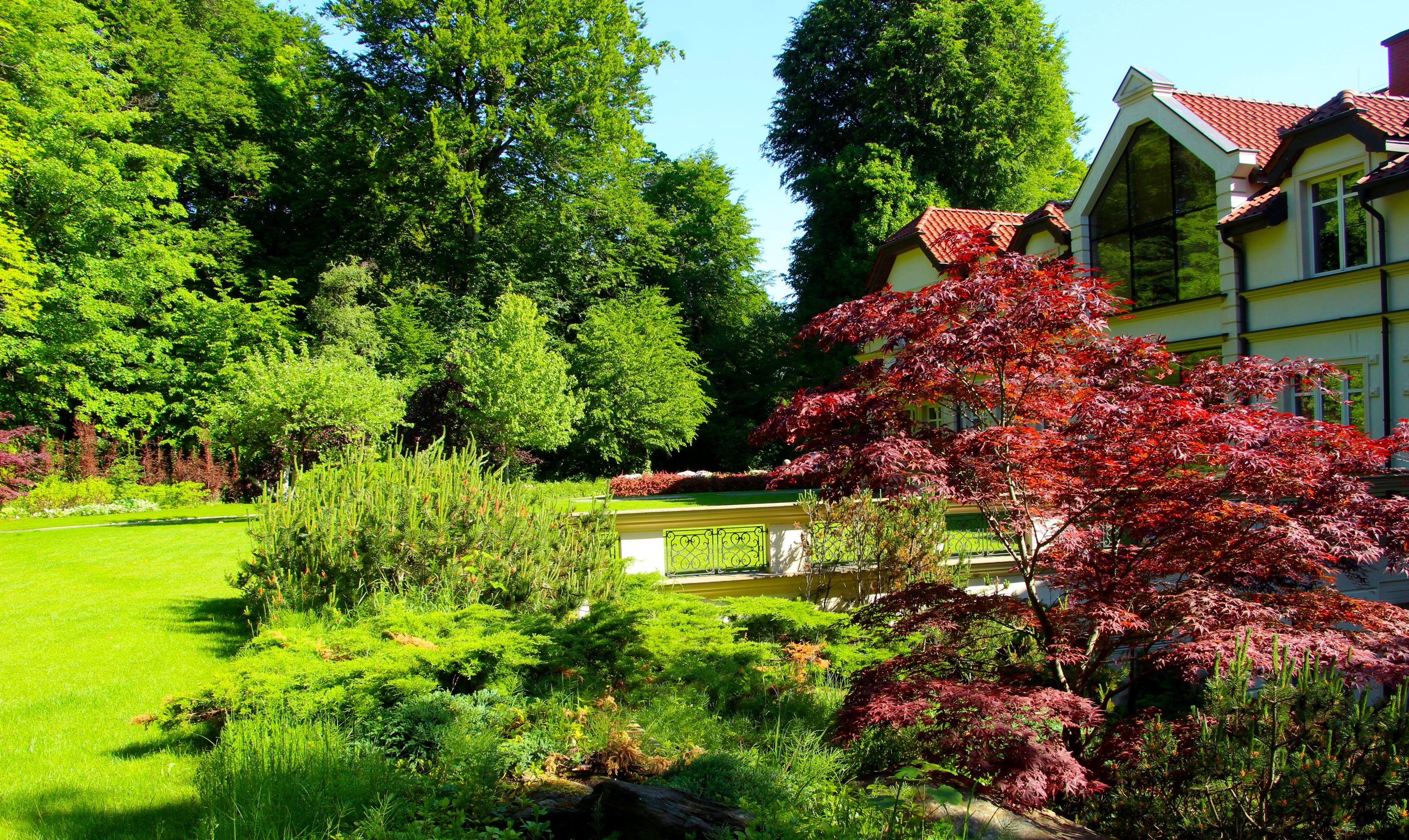
Welcome to Your New Gardening Adventure
Are you a Pittsburgh homeowner looking to transform your outdoor space into a lush, vibrant garden? You're in luck! 2026 is a fantastic year to start your gardening journey, and this beginner-friendly guide will walk you through the essential steps to create a stunning garden, tailored to the unique climate and conditions of Pittsburgh, Pennsylvania.
Understanding Pittsburgh's Climate
Before you dive into gardening, it's crucial to understand the local climate. Pittsburgh experiences a humid continental climate with hot summers and cold winters. This means your garden will need plants that can withstand both extremes. Consider choosing hardy perennials and native plants that are well-suited to the region.
Best Plants for Pittsburgh Gardens
- Black-eyed Susans: These native perennials thrive in Pittsburgh's climate and add a splash of yellow to your garden.
- Hostas: Ideal for shady areas, hostas bring lush greenery to your landscape.
- Bee Balm: Attracts pollinators and adds vibrant reds and purples to your garden.
- Daylilies: Low-maintenance and perfect for beginners, these flowers bloom throughout the summer.
Designing Your Garden Layout
Creating a plan for your garden layout is a critical step. Consider the following tips to make the most of your space:
Evaluate Your Space
Start by observing your yard. Note the areas that receive the most sunlight and those that are more shaded. This will help you decide where to plant sun-loving and shade-tolerant species.
Design with Purpose
Think about how you want to use your garden. Do you envision a peaceful retreat, a space to entertain, or perhaps a vegetable garden? Define your goals to guide your design decisions.
Essential Gardening Tools for Beginners
Having the right tools can make your gardening experience much more enjoyable. Here's a list of essentials for any beginner gardener:
- Gardening Gloves: Protect your hands from thorns and rough soil.
- Spade: Perfect for digging holes and moving soil.
- Pruning Shears: Keep your plants healthy by trimming dead or overgrown branches.
- Watering Can or Hose: Ensure your plants stay hydrated, especially during dry spells.
- Rake: Useful for clearing leaves and smoothing soil.
Preparing the Soil
Healthy soil is the foundation of a thriving garden. In Pittsburgh, the soil can vary from clay to loamy, so it's important to test your soil's pH and nutrient levels. You can purchase a simple soil test kit at your local garden center.
Improving Soil Quality
If your soil is heavy clay, consider adding organic matter like compost or peat moss to improve drainage and fertility. For sandy soil, incorporate organic matter to help retain moisture.
Planting Your Garden
Once you've selected your plants and prepared your soil, it's time to plant! Follow these steps for successful planting:
Timing Is Everything
In Pittsburgh, the last frost typically occurs in early May. Wait until after this date to plant frost-sensitive species.
Plant with Care
Dig a hole that's twice the size of the plant's root ball, place the plant gently into the hole, and cover with soil. Water thoroughly to help the plant settle.
Maintaining Your Garden
Regular maintenance is key to a healthy garden. Here are some simple tasks to keep your garden in top shape:
- Watering: Ensure your plants receive about an inch of water per week, either from rainfall or irrigation.
- Weeding: Regularly remove weeds to reduce competition for nutrients.
- Mulching: Apply a layer of mulch to help retain moisture and suppress weeds.
- Pruning: Trim back dead or diseased branches to encourage healthy growth.
Conclusion: Embrace the Journey
Starting a garden in Pittsburgh can be a rewarding experience, offering beauty and tranquility right in your backyard. With this beginner-friendly guide, you're well on your way to creating a stunning garden. Remember, gardening is a journey, and every step you take brings you closer to a vibrant, thriving outdoor space. Happy gardening!